As the world gets faster,
enjoy moments when time stands still.
—SHG

As the world gets faster,
enjoy moments when time stands still.
—SHG
by Sally Hedges Greenwood ARPS
Photography is often described as a way of recording what we see. For me, it has always been more than that. Photography is a way of seeing, not just recording. It is a method of thinking, remembering, and connecting.
My own journey with photography began in family life, long before I thought of myself as a photographer or author. The camera became a quiet companion to ordinary days: children growing up, relatives ageing, houses changing, objects gathering history. Only later did I realise these were not just personal snapshots but fragments of social history.
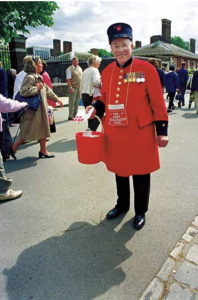
Many of the photographs we take today will become tomorrow’s historical records. The everyday becomes important with time. A kitchen table, a worn armchair, a street before redevelopment — these things rarely feel significant in the moment. Yet decades later they hold stories no one thought to document in words.
My work now sits at the intersection of documentary, memoir and reflection. Through my WithPhotography® series, I explore how images carry layers of meaning: what was intended, what was accidental, and what is only understood years later. A photograph can hold emotion, context and unanswered questions all at once.
Family history has been a strong thread in my projects. Old photographs, even damaged or faded ones, often reveal more than pristine modern images. They show how people presented themselves, what they valued, and what they wanted remembered. Sometimes the real story sits in the margins — a background detail, a handwritten note, a date on the reverse.
Photography also allows us to process experience. During difficult periods in my life, the act of photographing helped me observe rather than feel overwhelmed. It created a small distance, enough to turn chaos into something framed and comprehensible. Later, those same images became tools for reflection and storytelling.
In a digital age where we produce thousands of images, the challenge is not only taking photographs but curating them. Which images do we keep? Which do we print? Which do we annotate for future generations? Without context, even the best photograph can lose meaning.
I encourage people to treat photographs as part of their legacy. Label them. Date them. Share the stories behind them. A simple caption can transform an image from decorative to historically valuable.
Photography does not need to be dramatic to be meaningful. The quiet images often endure the longest. A familiar face, a lived-in space, a moment of pause — these are the threads that weave personal and collective history together.
Ultimately, photography is a conversation across time. We photograph the present, but we speak to the future.


This blog for the Royal Photographic Society explores teaching through photographic practice during lockdown.
During the first lockdown of March, April and May 2020, I recognised that we were facing a level of global anxiety and isolation unlike anything in recent memory. Drawing on my own experience of PTSD and trauma, I initiated an online photographic workshop for women photographers around the world, using image-making as a way to navigate uncertainty, connection and reflection. This blog for the Royal Photographic Society explores that process — teaching by example through lived experience.
In a time when physical contact was removed, the internet became a vital space for shared experience, creativity and emotional support.
On this page are some of my Conversation Starters as I came to call the photographs I posted online to a group of female photographers around the world.


I knew the techniques that I have relied on throughout my life with photography, could help other people. To start with, making a suggestion to my own Facebook Friends and a couple of groups. The intention was simply to keep our minds off what was happening in our real world by sharing our photographs with each other — either those we had taken on that day or delving through our archives and albums — and then talking about them in the comments.

The idea came to the attention of Angela Nicholson, the founder of the Facebook group SheClicks (a group for over 7000 female photographers from around the world) who immediately asked me, if I would consider running daily posts within the group. I agreed, it helped me too at a time when the majority of us were confined to our houses, unless we had the qualifications and skills of a key worker.
There was no planning involved, particularly at the beginning… I sat down with my calendar in front of me and started scribbling. 86 days later, the members’ daily posts prompted by my Conversation Starters as I called them, fill files with over 900 A4 pages.


It is important to say that I am not a psychologist or trained counsellor. Over the three months I posted Conversation Starters that I felt would help the group simply by distracting us from the moment we were forced to live in. Drawing on my various uses of photography from over the years and by recognising exactly what stage I was going through myself, which I was also privately diarising with Visual Metaphors as I call them*, meant that I could gear my daily posts and Conversation Starters accordingly.


I took up a routine that people could then rely on. I posted the next day’s photograph and Conversation Starter quite late at night (GMT time) and I myself answered, liked, or commented on nearly every post throughout the waking hours, as did many other people, with photographs of their own.
Someone in the world was always waking up to new posts; someone in the world was always posting and in that way we shared a camaraderie that I have not known before and am unlikely to experience in the same way again.
Having helped to diffuse our anxieties by keeping our minds away from what was happening, I changed the emphasis of the posts to enable us to face the reality in small manageable bites. There were those that shared their anger; anxiety; powerlessness and bewilderment. Others said very little, going with the flow, encouraged by a lack of rules and regulations in an impromptu daily photographic challenge.
The aim was for us to come out the other side with the best result possible. Surviving, yes of course, but more than that. My hope is that we could reach a level of acceptance, in preparation for the unknown of our ‘new normal’ state.

Further context and related work
My original blog for the Royal Photographic Society can be read here
The ideas developed during this period also informed ‘86 Days in Lockdown With Photography®’, where visual metaphors became a way of processing experience. A selection from this work forms part of the Brooklyn Sketchbook Project
Two of these photographs were later included in the USA juried exhibition ‘A Ballad of Our Changing World’
Further work and publications can be found at: www.withphotography.co.uk

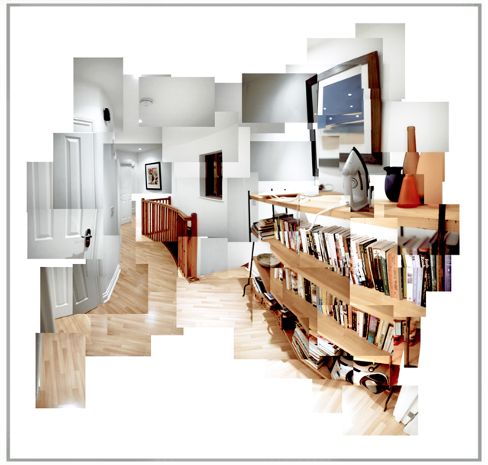
Frederica Armstrong | Tiffany Bolk | Della Calfee | Melissa Caudel | Denise Cicuto Norma Córdova | Neeley Drown | Carmina Eliason | Diane Fenster | Debbie Fier Susan Gutterman | Sally Hedges Greenwood | Susan Hillyard | Sanborn Hodgkins | Marilyn Howard Jessica Erin Judd | Lesley Louden | Arnona Oren | Mandana Ranjbarcheshmehsorkhi | Gabrielle Rondell Frances Schaeffer | Beverly Shalom | Jan Watten | Julia Weber | Stephanie Williamson | Beth Zook
Sally Hedges Greenwood Artist Statement
Total lockdown in England UK started on 23 March 2020.
Powerless in a way that most had never felt before; I recognised I was in the first stages of trauma: partway between anxiety and paralysis: wanting to escape from that moment but knowing that to do so would put me at risk of impacting the effects of what was happening to me — to us all — as we faced our own mortality in isolation. I turned naturally to photography to help me — to document and create order out of my chaotic mind; to explore and diffuse my emotions.
My photographs are a melange of moments with different layers of meaning, hinted at in their titles; some more poignant to me personally than others. All reveal aspects of that particular period up to 31 May, when England started to relieve some restrictions. Then we started to face the realisations that the virus was here to stay; we had to adjust to a new reality with socio-economic hardships of the like that were as yet unknown to us.
Works in Show
Sally Hedges Greenwood – Within Four Walls
Sally Hedges Greenwood – Behind Closed Doors
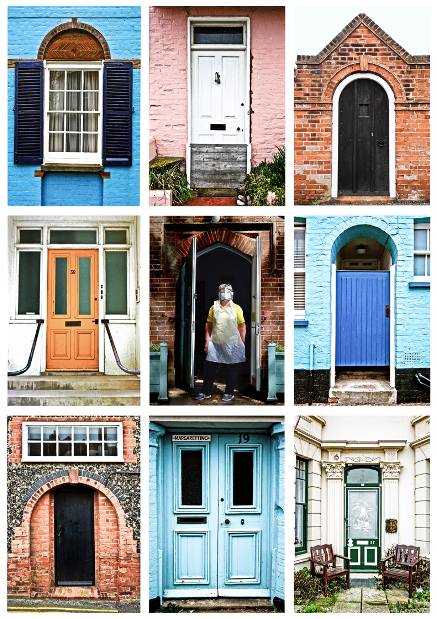

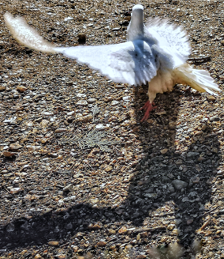
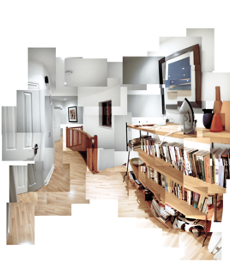
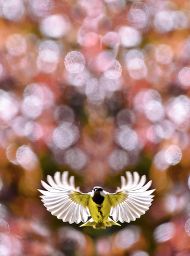
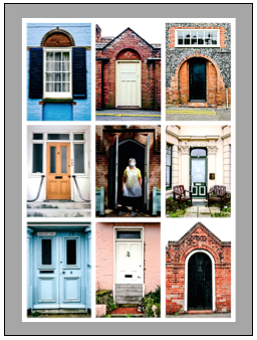

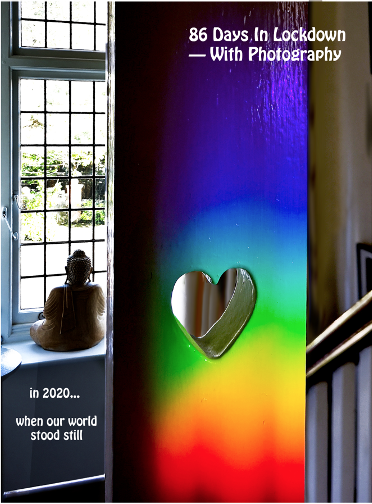
Artist – Sally Hedges Greenwood ARPS
Can be viewed here: https://www.sketchbookproject.com/library/S8736842
‘Total lockdown officially started in England UK on 23 March 2020 and ended on 31 May. Lockdown in our household started on Saturday 7 March. Powerless in a way that most had never felt before; I recognised I was in the first stages of trauma: partway between anxiety and paralysis: wanting to escape from that moment but knowing that to do so would put me at risk of impacting the effects of what was happening to me — to us all — as we faced our own mortality in isolation. I turned naturally to photography to help me — to document and create order out of my chaotic mind; to explore and diffuse my emotions. My photographs are a melange of moments with different layers of meaning. All reveal aspects during that particular period up to 31 May, when England started to relieve some restrictions. Then we started to face the realisation that the virus was here to stay; we had to adjust to a new reality with socio-economic hardships of the like that were as yet unknown to us.’ Sally Hedges Greenwood ARPS 16 July 2020 Sally Hedges Greenwood is an Associate of The Royal Photographic Society; a conceptual, contemporary and documentary photographer and author of the With Photography® series of books. For 76 of these days (from 17 March) Sally ran an online projet for the Facebook group ‘SheClicks’, which currently has a membership of over 6500 female photographers from all over the globe. Some of Sally’s images in this sketchbook were the ‘Conversation Starterd’ that headed up her posts, written to discourage feelings of isolation by encouraging group participation; the posting and sharing of members’ own images to comment on. Sally lives in the county of Dorset in England, United Kingdom.

Article in Amateur Photographer:
“… In addition, on 17 March, Sally Hedges Greenwood — the author of the With Photography series of books began posting regular conversation-starter images every day on the Facebook group. I invited her to do it on a more official basis for the group and she’s been posting every day since. Our aim was to give everyone something else to think about and give extra focus for our photography.”
The latter challenge will be coming to an end this month. Sally explains “Several SheClickers have written to thank me, saying they will miss the daily posts. Approaching the lifting of lockdown is a natural finishing point and I can leave them now knowing that part of the photographer’s experience of lockdown will include the positivity of the daily posts.”
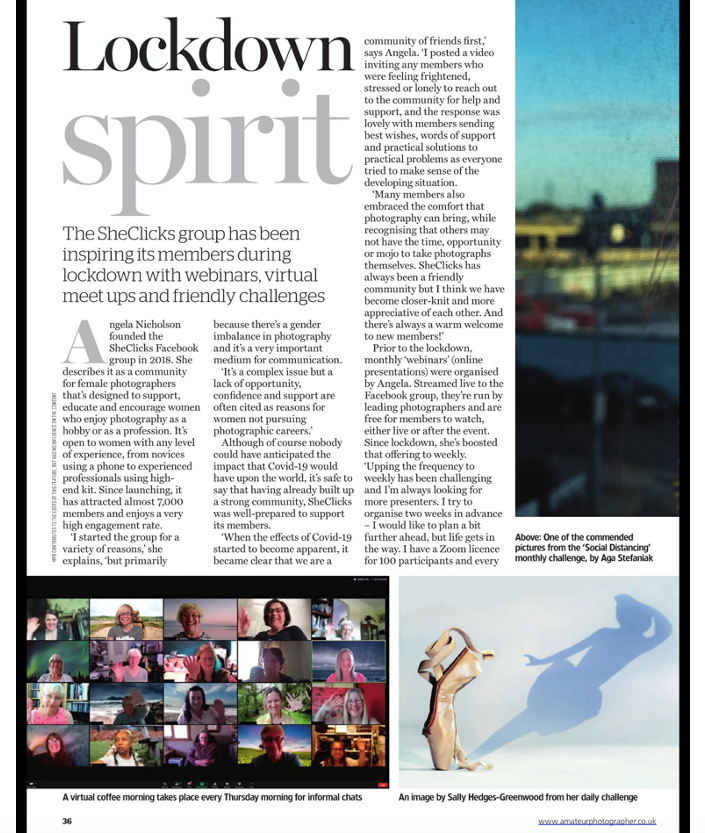
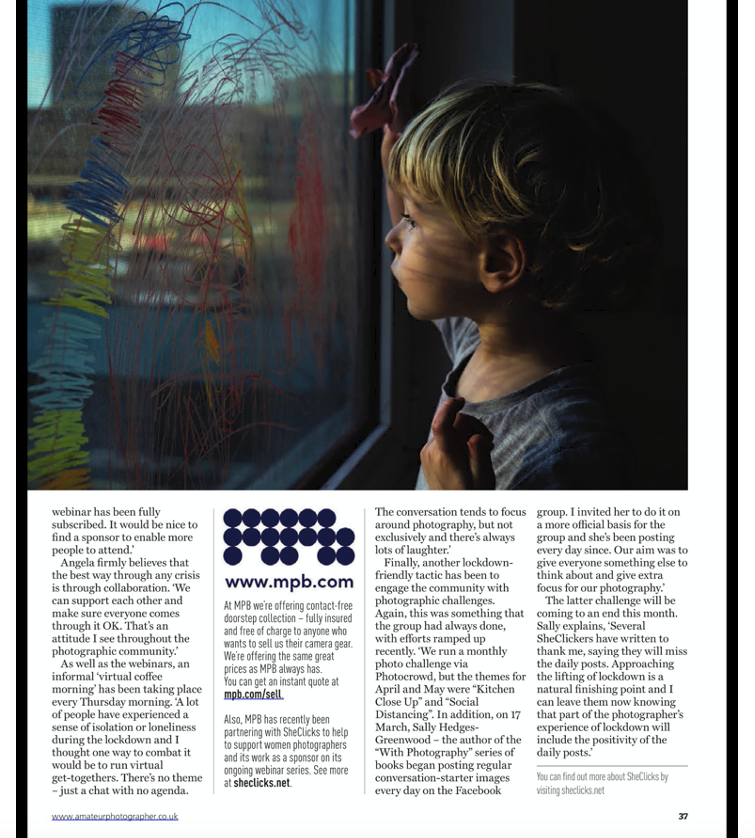

Thanks to the many celebrities and members of our royal family who are sharing their own experiences and mental health issues, we are becoming more accepting as a nation to words like: therapy and conditions like PTSD, which is what I have. Her Royal Highness The Duchess of Cambridge is the Patron of the Royal Photographic Society and along with her husband and Prince Harry leads Heads Together which unites eight mental health charities including ‘Mind’.
We are more aware now than ever before of how holding trauma damages our minds and overall mental and physical well-being. To exercise and nurture the mind is fast become as natural to us as it is to exercise and nurture the body. Leaving the door of our mind’s unlocked and open at a time when we are physically isolated away from those people and places we love along with the fear of the unknown, could only be helpful. Photographers have the very tool at their fingertips to help them do that. In 2004 having undertaken a survey of 70 photographers around the world who responded mainly to an article in Amateur Photographer I collated the results, subsequently writing about the powerful use of photography for the photographer for my dissertation, which lead on to my series of With Photography books.
My way to be of help was to lead by example. The process is ingrained in me and there was no planning involved to start off with; I was just following my own path, which I very soon realised was at the same stage more or less as everyone else, no matter who or where we were in the world. The only common factor is that we are all women. I am not the only one who knows how they themselves have reacted to trauma in the past and of course I too felt fear, but I knew another stage was around the corner and had an expectation of what that might be.
Starting the post on the hoof; not thinking much about it other than that I wanted to help people to concentrate on where they were at the moment: to not panic or feel despair and so desperate that they lost sight of the bigger picture. Unfortunately, we didn’t really like the bigger picture and so patience was required. By reaching out I could encourage people to concentrate on the things around us that we take for granted; the very things that can ground us.
These was that very first post on the 17 March:
One photograph a day. Post the day and your photo in the comments below… Just for fun. The goal is just to be cheery, to be positive, to give us something else to do; for us to focus on. To not be alone!!!! No doom or gloom please. Nothing to do with anything happening out there in THE real world, just in YOURS. Come on peeps. It’ll make me smile. And I’ll try to make you smile too. I’ll start us off with my ‘Dancing Dove!’ 🎶 🎶 The photograph a mere mobile phone snap taken that day, having already started lockdown myself 10 days previously, just a few hundred yards from my house.
Nature was one of many things that would remain accessible to us in some form or other (even if just from the top story of an apartment block). The flora and fauna along with static and inanimate objects (like buildings, including the inside of our houses) anything without the emotional response to the virus (and that make us human) would be a good target for us to concentrate on giving us a way to escape from what was happening in the world; giving us relief from the fear of overload, they could help keep us grounded. There was a necessity to make the things in our shrinking world interesting and while many may not have difficulty in doing that, others were challenged – needing the excitement of exotic holidays or snow-capped mountains to awaken and excite their photographic creativity. Its not a criticism just an observation and those people were accommodated by my having no rules to our posts and my encouraging them to seek out past photographs, taken from those more unusual environments. They were then of course of great interest to everyone in the group too, thereby introducing another type of therapy that is of benefit with photography – the looking at a photograph that allows us to feel… happy, sad… whatever… but also to explore our own emotions or indeed the emotions of others.
Similarly, one lady was unable to pick up a camera perhaps because of anxiety; raw fear which gave her the paralysis felt when in the midst of trauma. Although often prompted by my daily conversation starter, the process of looking back to the previous reality would help keep us grounded too. And at this stage, before reaching acceptance, we needed hope. My dancing heron – is one that does that for me – taken last August in Hayling Island, I wrote the accompanying haiku on the day of sharing it in a post:
Disturbed, but ready,
she will spread triumphant wings
full of joy and dance.
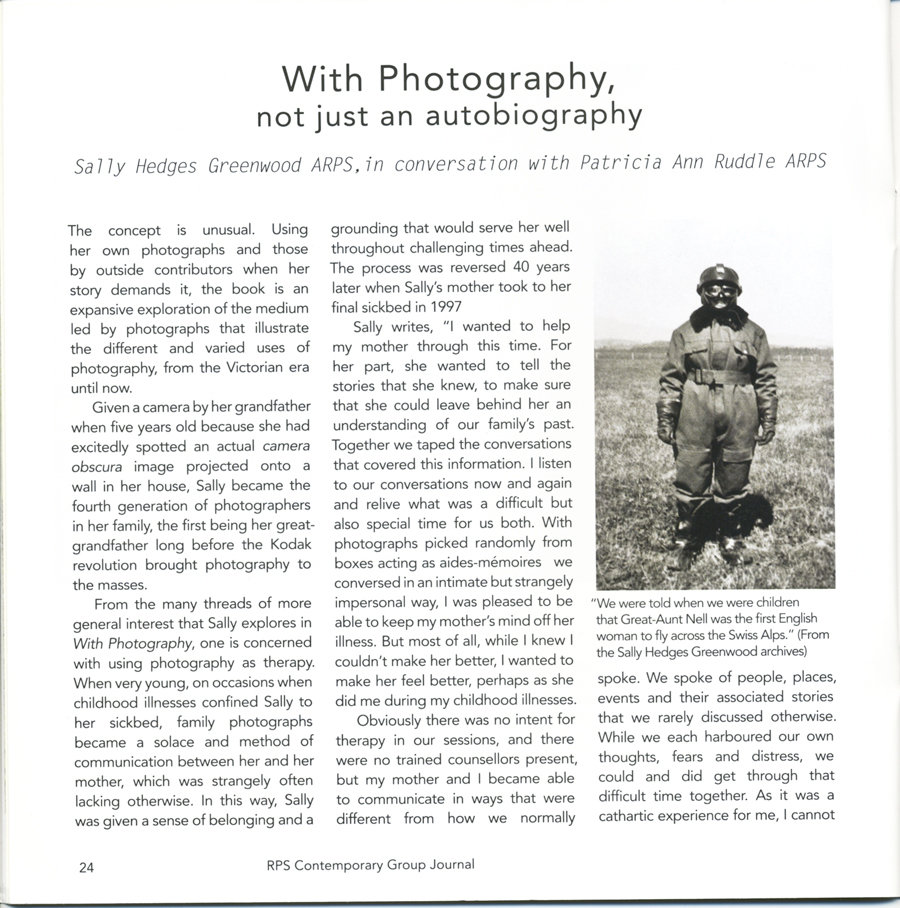
It was often the family album that provided easy access to photographs that then gave us a sense of belonging within the family and their own Conversation Starters. Our family’s equivalent to the album was a big brown box that my mother delved into to take our minds of a poorly tummy or runny nose and I did the same with her, to take her mind off her illness through the last few months of her life. We talked about the occasions photographed and the people depicted and I taped those conversations, which I can now listen to without sadness. Over the weeks of daily posts we saw an increase in photographs of family members appearing. My own being included on two occasion – a humoroush photo of my Gt Aunt Nell – the first English woman to fly over the Swiss Alps – in her flying suit in the 1930s and a memorial photograph, of my mother and father on VE Day.
Seeking our the minutae of the tiniest of plants or the capture of a bird in flight that we are very used to seeing, so much so that we have started to take no further notice, can increase our awareness generally – making us more visually aware. A restriction that could have impacted on us negatively, by accentuating that the virus had taken away our freedom became a positive, and greatly helped our photography in the process. By marvelling at the simplest of things – the honey bee with legs laden with pollen – the colour of the bluebells and so on, we encourage positive feelings of just how lucky we are to be alive. How wonderous even an unfurling fern can be (something I also concentrated on myself). Working with a group like SheClickers from around the world, our mundane became intriguing to others as did theirs to us and we saw it with new eyes. The beauty of the hummingbird, captured from the gardens where they are not a rarity, is a stunning example, and by conversing with the poster (something I encouraged everybody to do) I learnt that they can be tame… I learnt a lot from SheClickers both photographically and about their worlds as I am sure everybody else did and it has been inspiring. Only yesterday (in month 3) a lady wrote that she had been so inspired by the posts that she had her long-damaged camera mended in order to take photographs of the birds at her feeders and was stunned to see a Hawfinch there that she had never seen before, when she had little time to look at it – moreover, I suspect she may not have been open to ’seeing it’. Another commented that the feeling of togetherness at a time of isolation was something that she had not expected.
I think I can talk for most of us in saying that we have more appreciation of our immediate surroundings and gained time. Although, I am not the only one that has rarely been as busy in recent years. Photographic practice and writing, mainly for the posts and in reply to comments made, took up a good deal of my day along with attending to my garden, which as a result of my studying it, exploring it and documenting it has become a sanctuary. Limited in our activities, who we saw, where we went and just about everything that was our habit changed as we went behind closed doors. We created new rituals to follow and I choose that word carefully.
To counteract the lack of control of sleeping badly at night, dreaming and sporadically being up at all hours – yet rarely at the same time, but when we were that became an occasion punctuated with a cup of tea and a digestive biscuit! We did indeed find ourselves almost religiously following more of a ritual than a habit. Breakfast, lunch, teatime, pre evening drinks and supper were gratefully received offerings having worried for days about how we would access food and drink, in particular nutritious food that would keep our immune system healthy. The highlight and break of our routine – the festival, as it were – was the receiving of shopping. The delivery, an achievement to be celebrated with the actual food and drink, which we revered!
Most of us punctuated our days with moments of Serenity. SheClickers wrote of finding their own calm and peace, often accompanied by a photograph of a favourite place that were previously where these feelings were felt. The feelings transported into the reality of wherever they were looking at the photograph. Others appeared to be discovering that we could rely on ourselves and not the place to give us that inner calm. Losing themselves in the hunt for that photograph in their garden, or playing with ICM on their cameras.
I was led to great lengths to photographs small birds without the intrusion of squirrels. To suspend a feeder from a very high branch (8m in fact) meant dusting off the lacrosse stick to launch a weighted ball with string over the branch, to then pull a wire. It worked and after many days and hours I succeeded in taking this photograph which headed up my ‘Onwards and Upwards’ Conversation Starter on 6 May, my attempt to be uplifting after a heavy two days since we first learned the stark reality of what social distancing might mean; that it was here to stay for a while. Ironically my attempts were doubly successful because eventually I got the best photograph I have ever taken of a squirrel… as it returned from a thwarted attempt to climb down the wire! It coincided with my own feeling of complete acceptance, under the Conversation Starter ‘If you can’t beat them, join them’ on 22 May.
SheClickers honed in on aspects that had been on their to do list for a long time – photographing flowers on a light box for example. As a group within a group we pulled together and gave ideas to those that, at the time when unnecessary shopping was not being encouraged, wanted to make a light box (using a light source, suspended over a piece of glass with greaseproof paper was my suggestion). One post on ‘Improvisation’ was taken up completely by my setting up a mini photoshoot using a dishwasher as another kind of lightbox. It makes me smile to think of it. My subject was a ‘Big Ears’ ornament from my childhood, which was not even 2 inches high.
The first posts were aimed at encouraging people to stay in the moment (the good one that was to be found around them); to distract from the moment (the bad one of the virus) in order to survive as best we could by suppressing the fear and confusion that we were all feeling at varying levels and, although we didn’t speak of it in the posts at the time, many felt there was a complacency (meerkat photograph) by those directing us. Observing the minutae encouraged a connecting with the reality to reach, at first, a level of escapism. Our world had turned topsy turvy and to encourage the creation of order we turned to documenting what was around us. Because our minds were able to eventually settle (hopefully in the long term also helping to reduce the impact of the trauma to the level that we would have felt otherwise) we have been able to think more rationally and reached a level of understanding – even if that understanding is having to accept that there would be little understanding until much much later on – once everyone has finished blaming and arguing about it, which has just started (on 25 May). That is a state of mind that in itself can be as damaging and exhausting.
With photography and with a camera we had the tools to take control (the only control that was open to us) and generally we have found it a little bit easier to take responsibility and coverage of showing Bournemouth Beach this bank holiday – with heaving focus-stacked crowds (purposefully taken with a very long lens from a long way away); fuelling bitterness on social media even amongst my friends. Yes, people are visiting the beach but I saw with my own eyes and camera that, contrary to what the BBC wanted to portray, the groups were small and were social distancing. Presumably they were households (or meeting one other person, which is allowed now) and keeping a good 2m away from each other. I believe that people are generally accepting the need to be playing by the rules, even though nobody really knows whether the rules we have been given to follow are the right ones. With acceptance we can let go of anger and see a way out, of sorts, which gives us hope. The new normality is here for the foreseeable future.
Several SheClickers have written to thank me, saying they will miss the daily posts. Approaching the lifting of lockdown at the end of this month is a natural finishing point and I can leave them now knowing that part of the photographers experience of lockdown will include the positivity of the daily posts. The photographs themselves hold a layer of meaning of emotions felt during the happier experience of photographing or looking at their archival photographs from before which will surely help to counteract the stark reality, the negativity and trauma of real life – which, let’s face it doesn’t feel real at all!
It has been a fantastic community project that has seen us beyond those first few weeks when we all had to come to terms with an invasion that was more intrusive on some levels that any in living memory. Even in the wars the actual community in which you lived with family or who lived nearby were not out of bounds. I know I have also felt similar emotions to those my parents must have felt when they were involved in the Second World War (my father as a Japanese POW and my mother driving lorries for D Day in the ATS), which was far worse of course: with no contact, separation, disease, death and destruction. In some ways I have felt that I have been able to have that unspoken conversation with them, to finally have some idea of what it was like for them. We must be truly grateful that we live in the Information Era; we have been able to keep in touch and make new friends globally who have been able to support us by just being there, with no considered intent. With Photography we have been able to share and understand each other on a level that may well be unknown to some, because our photographs are always documenting something, saying something, about us and the environment we have felt compelled to capture. Impromptu at the start, with no idea that it would continue for so long – nearly 3 months in all – never say never, I may do it again one day, hopefully not for the same reasons though.
Sally Hedges Greenwood ARPS

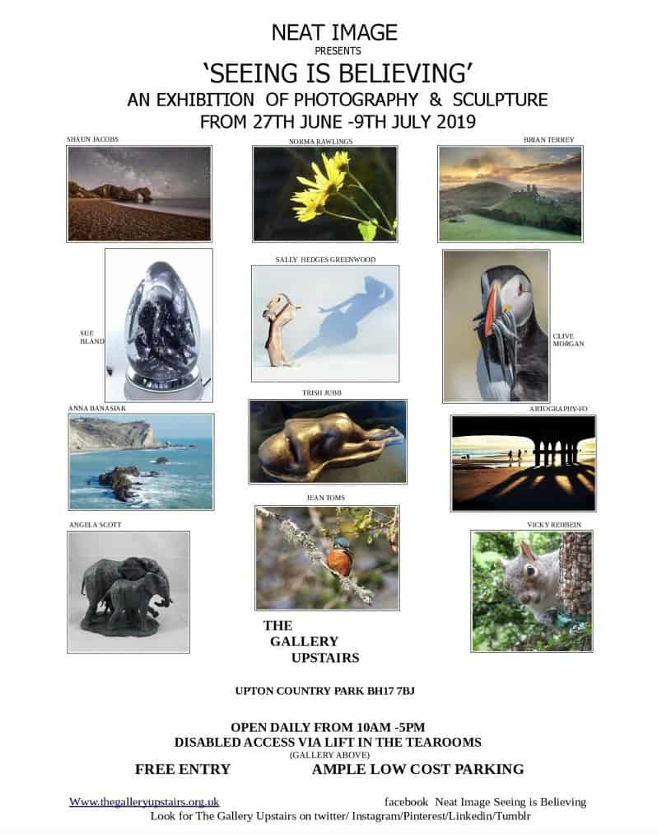
Upton House Country Park, Dorset
Shaun Jacobs; Norma Rawlings; Brian Terrey; Sue Bland; Sally Hedges Greenwood; Clive Morgan; Anna Banasiak; Trish Jubb; Artography-Fo;
Angela Scott; Jean Toms; Vicky Rehbein
A group of us exhibited our photography and sculpture; I mostly exhibited work from a 52 week shooting challenge that I undertook in 2018 and photographs from my books in The With Photography® series. Some photographs are conceptual, the visual metaphors explained or suggested in their titles.
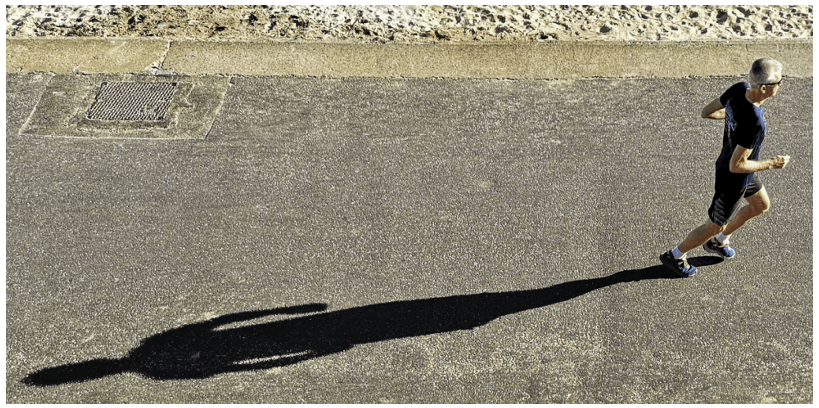
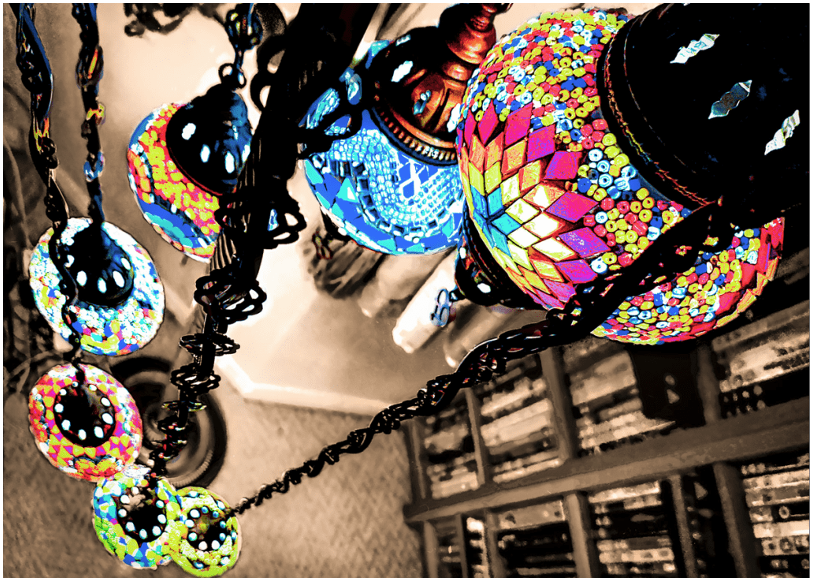
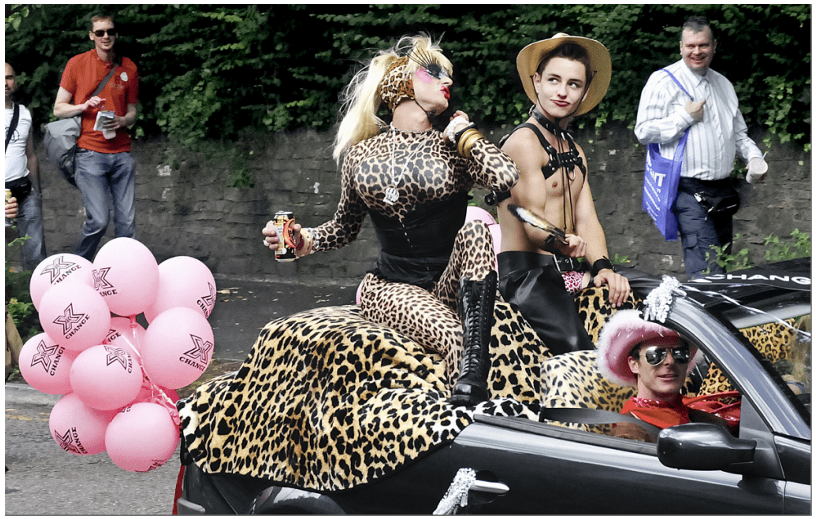
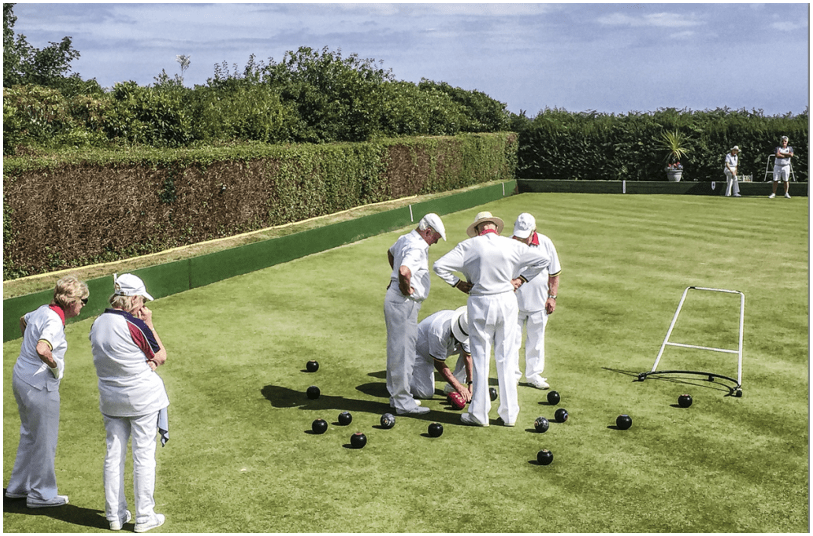
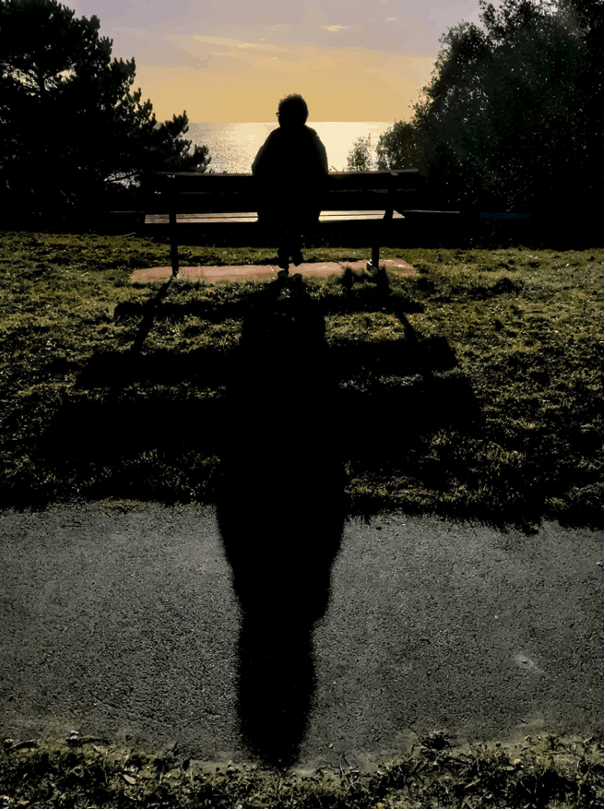
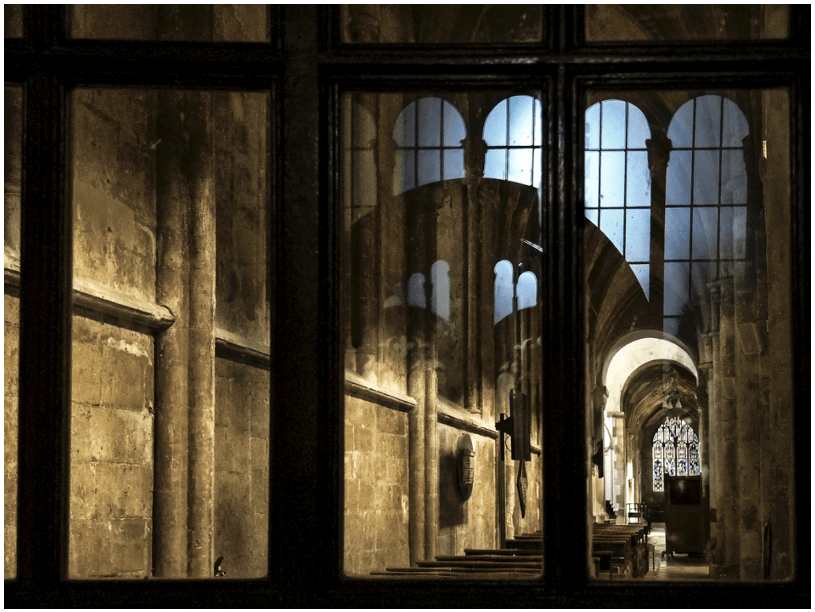
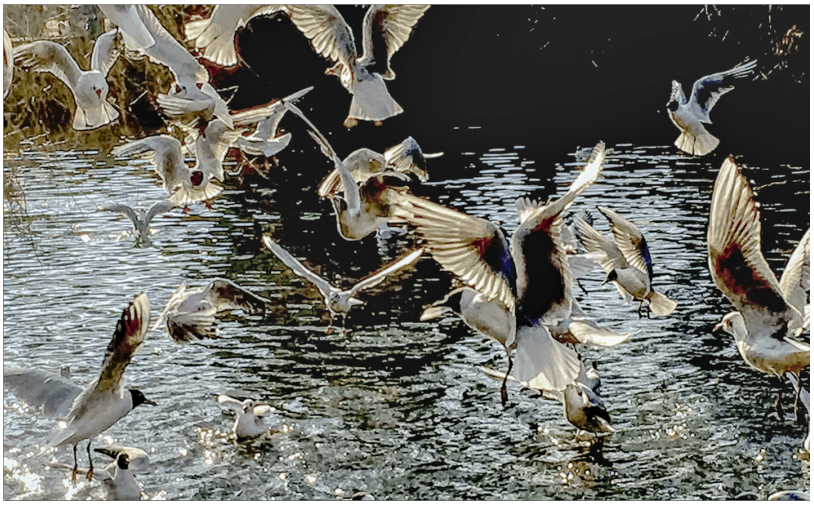
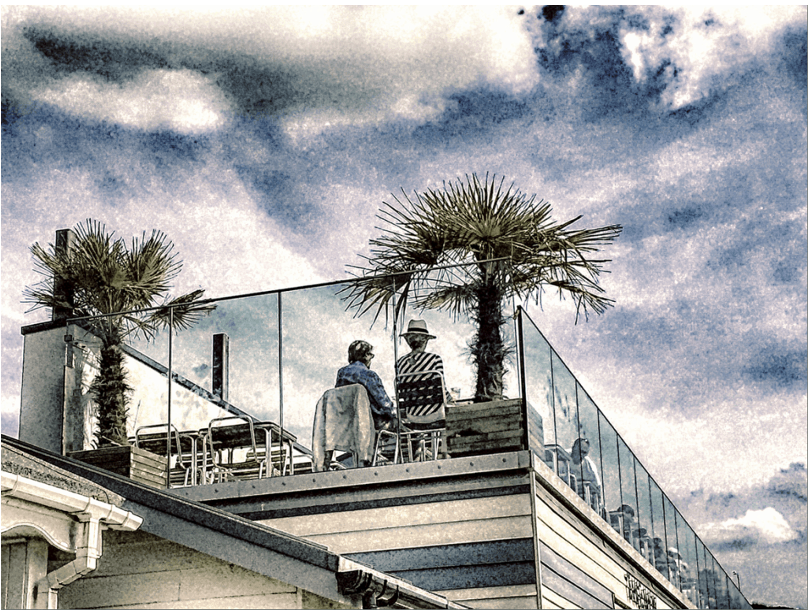
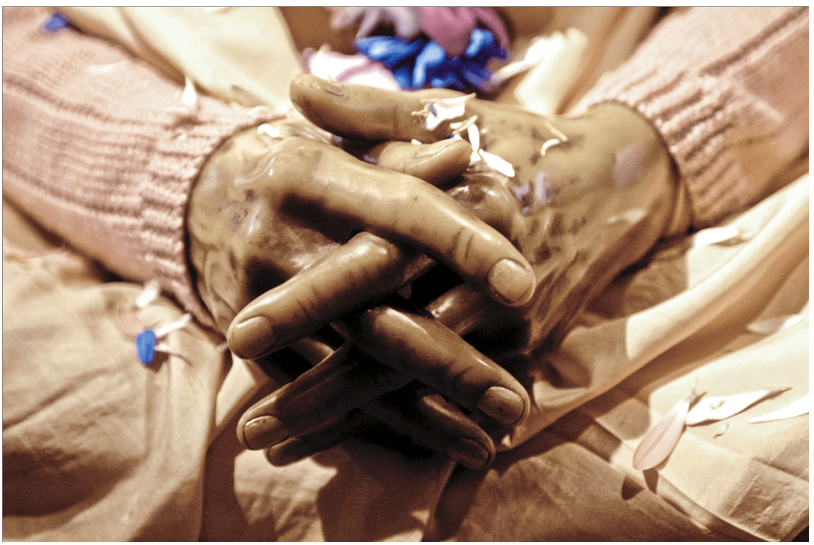
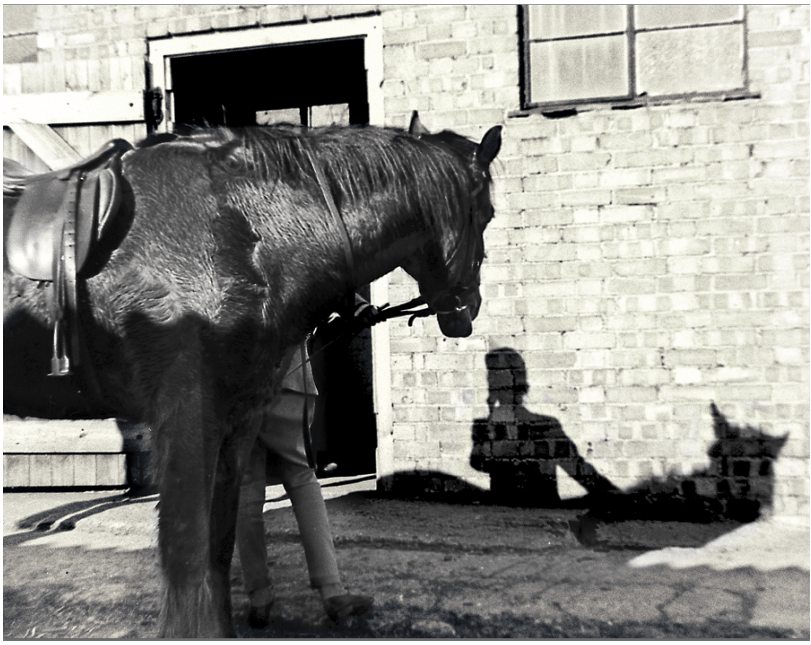
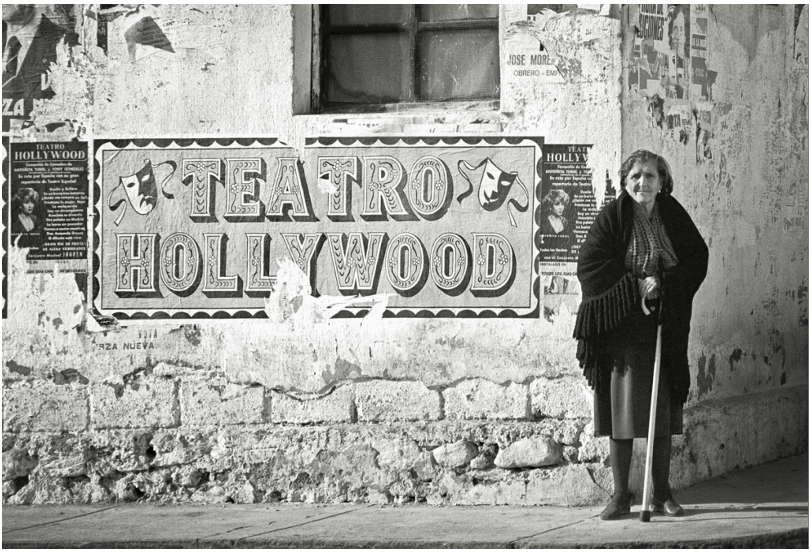
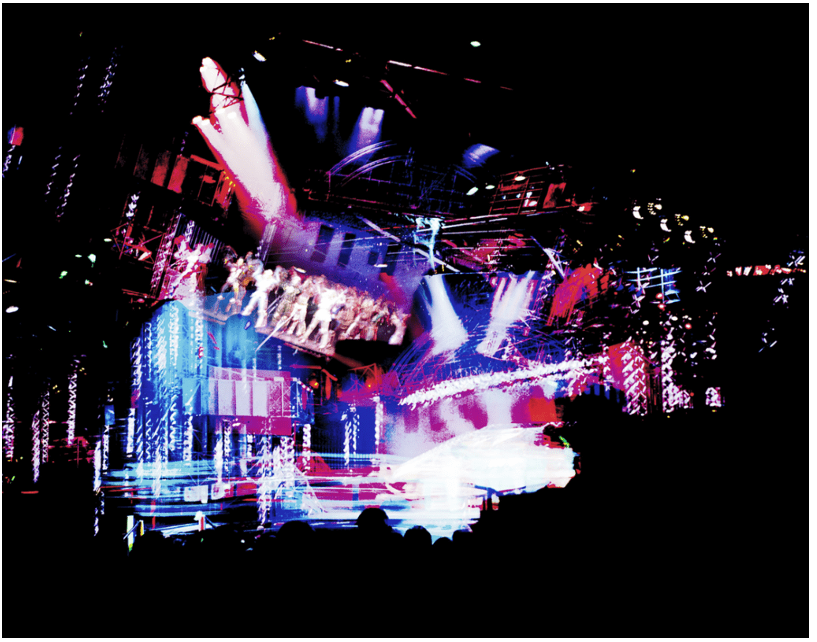
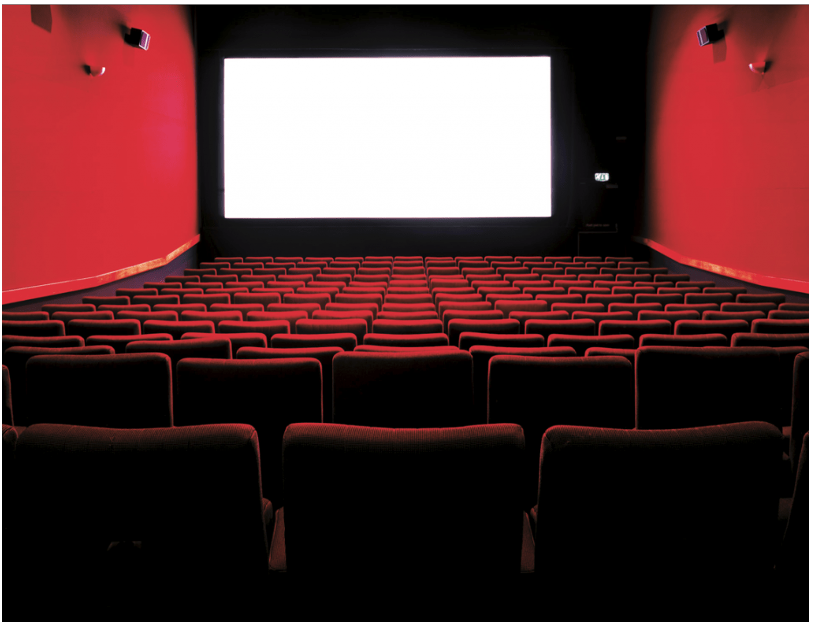
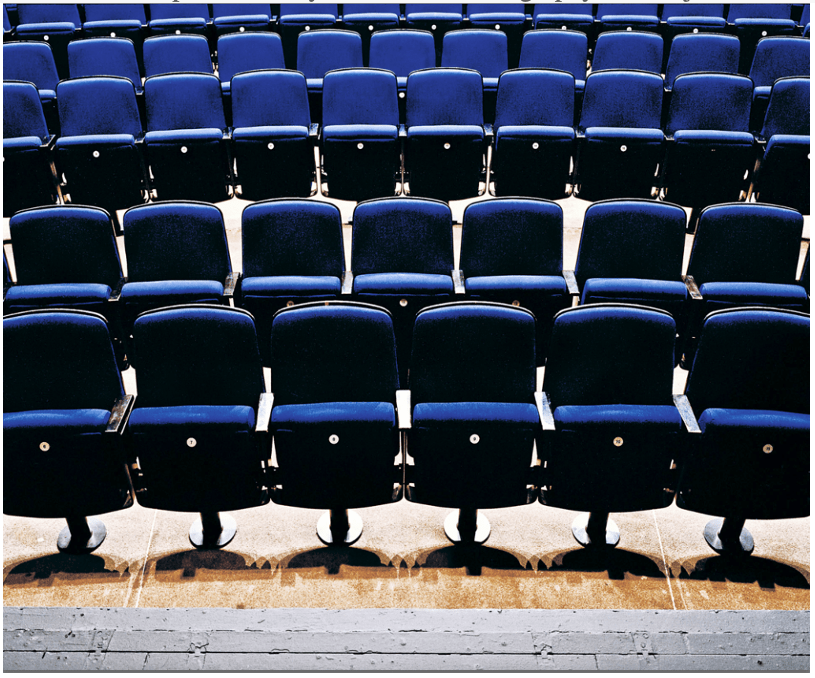
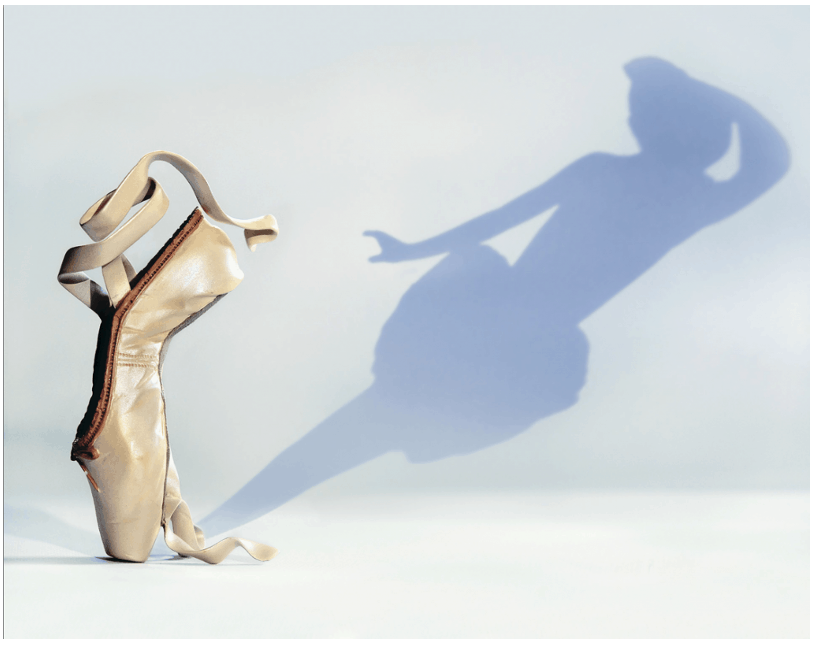

The concept is unusual. Using her own photographs and those by outside contributors when her story demands it, the book is an expansive exploration of the medium led by photographs that illustrate the different and varied uses of photography, from the Victorian era until now.
Given a camera by her grandfather when five years old because she had excitedly spotted an actual camera obscura image projected onto a wall in her house, Sally became the fourth generation of photographers in her family, the first being her great-grandfather long before the Kodak revolution brought photography to the masses.
From the many threads of more general interest that Sally explores in With Photography, one is concerned with using photography as therapy. When very young, on occasions when childhood illnesses confined Sally to her sickbed, family photographs became a solace and method of communication between her and her mother, which was strangely lacking otherwise. In this way, Sally was given a sense of belonging and a grounding that would serve her well throughout challenging times ahead. The process was reversed 40 years later when Sally’s mother took to her final sickbed in 1997.
Sally writes, “I wanted to help my mother through this time. For her part, she wanted to tell the stories that she knew, to make sure that she could leave behind her an understanding of our family’s past. Together we taped the conversations that covered this information. I listen to our conversations now and again and relive what was a difficult but also special time for us both. With photographs picked randomly from boxes acting as aide-memoire we conversed in an intimate but strangely impersonal way, I was pleased to be able to keep my mother’s mind off her illness. But most of all, while I knew I couldn’t maker her better, I wanted to make her feel better, perhaps as she did me during my childhood illnesses.
Obviously there was no intent for therapy in our sessions, and there were no trained counsellors present, but my mother and I became able to communicate in ways that were different from how we normally spoke. We spoke of people, places, events and their associated stories that we rarely discussed otherwise. While we each harboured our own thoughts, fears and distress, we could and did get through that difficult time together. As it was a cathartic experience for me, I cannot imagine how I would have coped otherwise. Our process of coming together, even as my mother died, was facilitated with photography.”
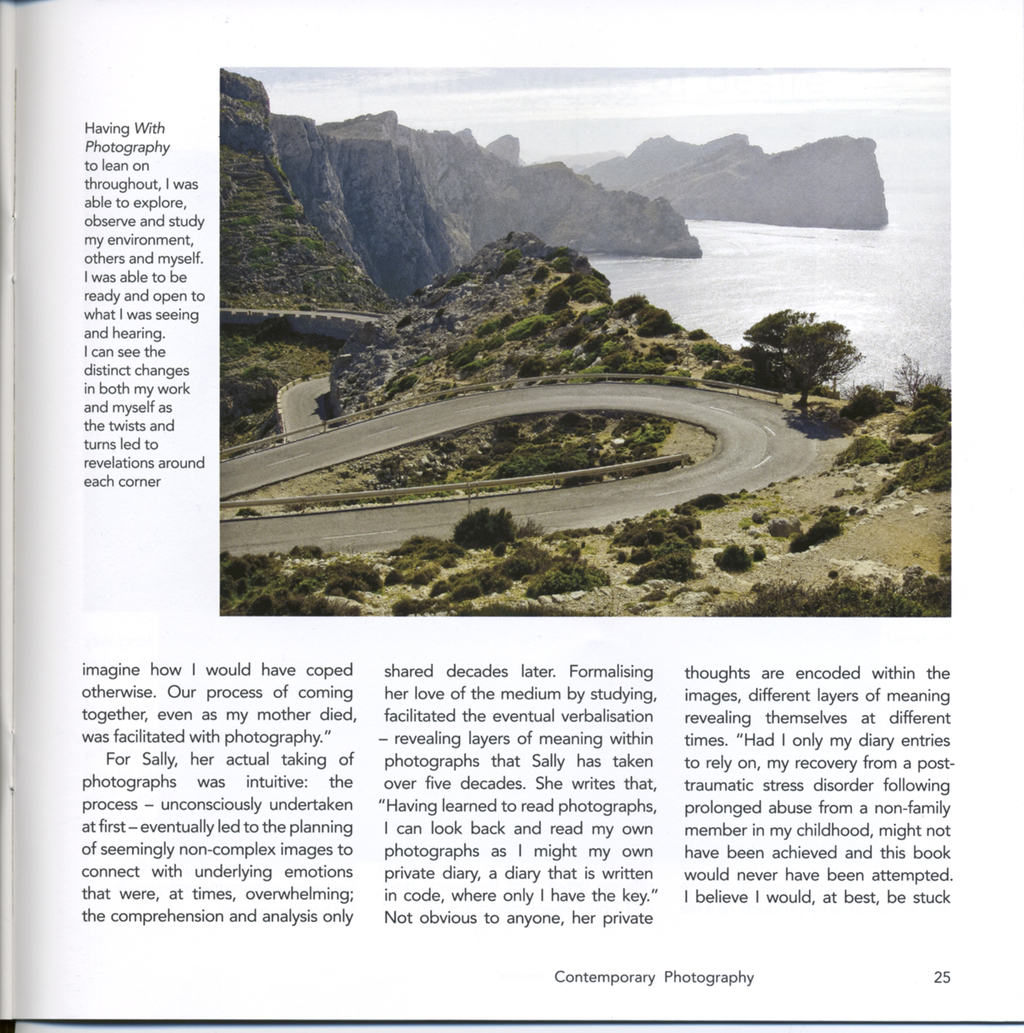
For Sally, her actual taking of photographs was intuitive: the process — unconsciously undertaken at first — eventually led to the planning of seemingly non-complex images to connect with underlying emotions to connect with underlying emotions that were, at times, overwhelming; the comprehension and analysis only shared decades later. Formalising her love of the medium by studying, facilitated the eventual verbalisation — revealing layers of meaning within photographs that Sally has taken over five decades. She writes that “Having learned to read photographs, I can look back and read my own photographs as I might my own private diary, a diary that is written in code, where only I have the key.” Not obvious to anyone, her private thoughts are encoded within the images, different layers of meaning revealing themselves at different times. “Had I only my diary entries to rely on, my recovery from a post-traumatic stress disorder following prolonged abuse from a non-family member in my childhood, might not have been achieved and this book would never have been attempted. I believe I would, at best, be stuck in denial and, at worst, well, I really don’t know.”
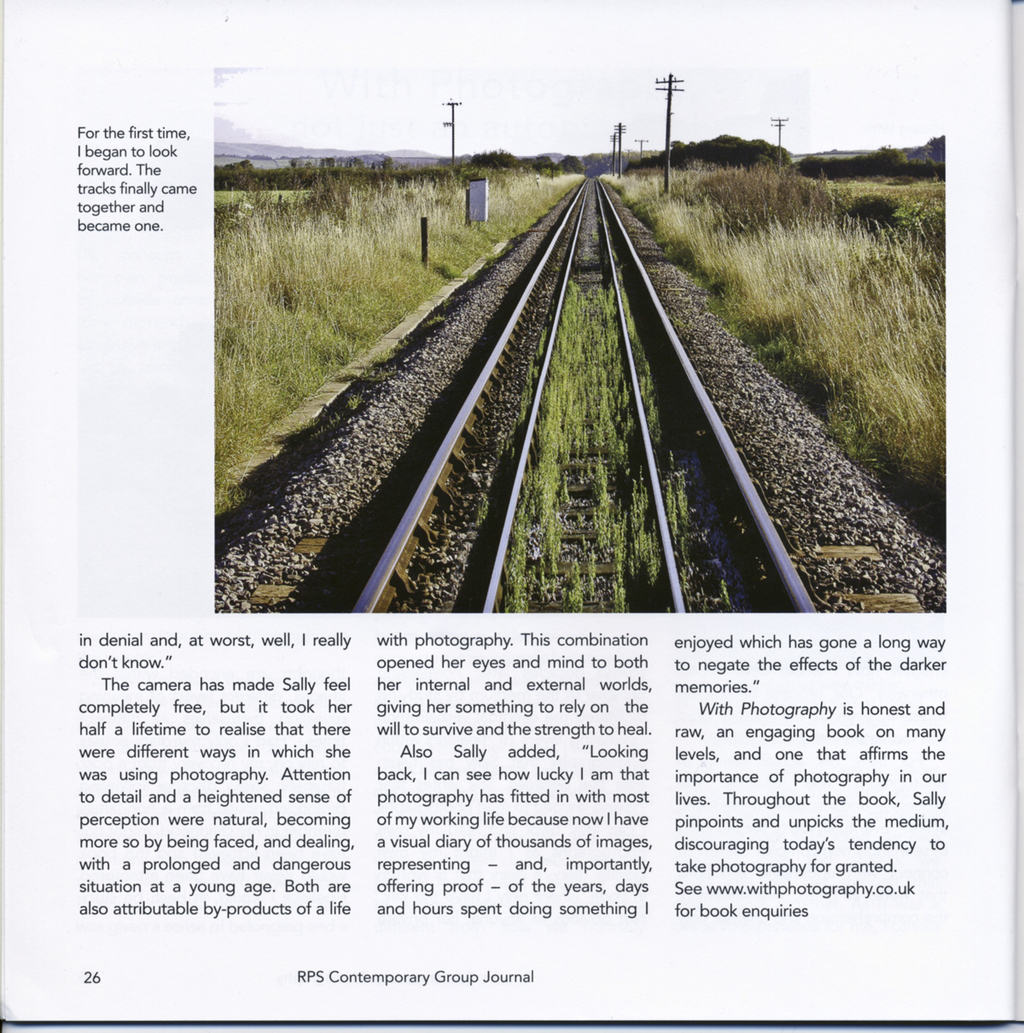
The camera has made Sally feel completely free, but it took her half a lifetime to realise that there were different ways in which she was using photography. Attention to detail and a heightened sense of perception were natural, becoming more so by being faced, and dealing, with a prolonged and dangerous situation at a young age. Both are also attributable by-products of a life with photography. This combination opened her eyes and mind to both her internal and external worlds giving her something to rely on, the will to survive and the strength to heal.
Also Sally added, “ Looking back, I can see how lucky I am that photography has fitted in with most of my working life because now I have a visual diary of thousands of images, representing — and, importantly, offering proof — of the years, days and hours spent doing something I enjoyed which has gone a long way to negate the effects of the darker memories.”
With photography is honest and raw, an engaging book on many levels and one that affirms the importance of photography in our lives. Throughout the book, Sally pinpoints and unpicks the medium, discouraging today’s tendency to take photography for granted. See www.withphotography.co.uk for book enquiries.